
Google Ads vs SEO for Home Services: Where to Spend First
Every home service business owner hits the same fork in the road. You’ve got $2,000 to $5,000 a month for marketing, and Google is where your customers look. Organic search drives 53% of all website traffic, according to BrightEdge (2025). Meanwhile, Google Ads puts your business at the very top of the page, right when someone types “plumber near me” at 11 p.m. with a burst pipe.
So where does your first dollar go? That’s exactly what we’ll answer here, with real cost data, ROI benchmarks, and a practical framework built specifically for home service companies. No vague advice. No recycled theory. If you’re also sorting out your overall SEO vs PPC strategy, this post goes deeper into the home services angle.
Key Takeaways
- Google Ads produces leads in hours; SEO takes 4-6 months but costs 40-60% less per lead after month six
- Home service businesses pay an average of $6.55 per click on Google Ads (WordStream, 2025)
- SEO delivers a median ROI of 748% vs 200% for PPC over time (First Page Sage, 2025)
- The strongest approach: start Google Ads immediately, layer in SEO by month two, then shift budget as organic rankings build
What’s the Real Cost Difference Between Google Ads and SEO for Home Services?
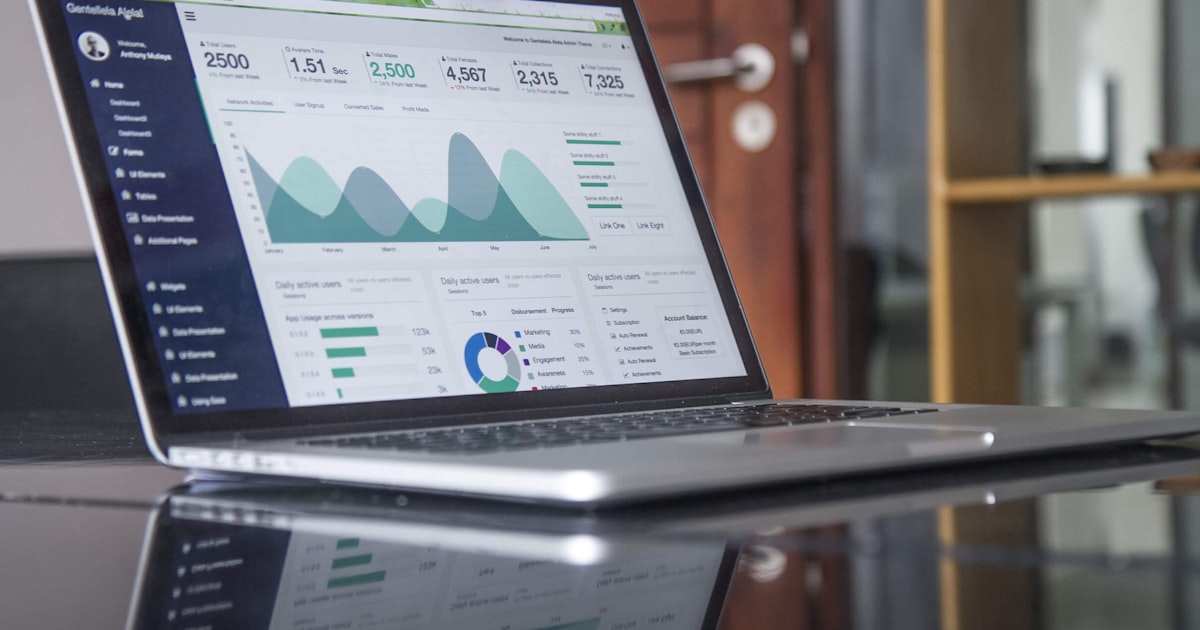
Google Ads for home services costs $2,000 to $8,000 per month in ad spend, producing leads at roughly $50 to $130 each. Local SEO runs $1,000 to $3,000 monthly, and after six months, leads typically cost $25 to $45 apiece. WordStream’s 2025 benchmarks place the average home services cost per click at $6.55, with a cost per lead around $66.
The crucial difference is how costs scale. With PPC, double the leads means roughly double the spend. Your cost per lead stays flat or even increases as you exhaust the most affordable keywords. SEO works the opposite way. Your monthly investment stays relatively constant, but your lead volume grows as rankings improve. That’s the compounding effect.
We’ve tracked this pattern across dozens of home service accounts. A plumbing company spending $3,500/month on Google Ads was generating leads at $72 each. After nine months of parallel SEO investment at $2,000/month, their organic leads came in at $28 each, and they cut their ad spend by 40% without losing call volume.
Why PPC Costs Keep Rising
Google Ads operates on an auction model. More competitors bidding means higher prices. Search Engine Land (2025) reported that average CPCs across service industries rose 12% year-over-year. In competitive metros like Phoenix, Houston, and Atlanta, home service CPCs can hit $15 to $25 for high-intent keywords like “emergency plumber” or “AC repair near me.”
SEO costs don’t follow that pattern. Your monthly retainer stays the same whether one competitor or twenty are optimizing. The work compounds. That’s a fundamental structural advantage for businesses thinking beyond next quarter.
How Quickly Can Each Channel Generate Leads?
Google Ads can generate phone calls within hours of campaign launch. SEO takes 4 to 6 months before producing consistent leads, according to Ahrefs (2023), which found that only 5.7% of newly published pages reach the top 10 within one year. For a home service business that needs to fill next week’s schedule, this gap matters enormously.
But speed isn’t everything. Fast leads that cost $90 each on a $200 job will drain your account. And slow leads that eventually cost $30 each on that same job will build your business. The timeline question is really a cash flow question: can you afford to wait?
What the SEO Ramp-Up Actually Looks Like
Months 1-2: Google Business Profile optimization, website audit, technical fixes. You won’t see significant call volume yet, but you’re building the foundation that everything else depends on.
Months 3-4: Content creation, citation building, review generation. Rankings start moving. Some businesses see early leads on long-tail terms like “tankless water heater installation [city].”
Months 5-6: Real momentum arrives. Map Pack visibility improves, organic traffic climbs, and leads start flowing consistently. This is when the math starts working in SEO’s favor.
Months 7-12: Compounding returns. Your cost per lead drops as traffic grows without proportional cost increases. If you’re also running ads, you can start pulling back PPC spend on keywords where you rank organically.
Which Channel Delivers Better ROI for Home Service Companies?
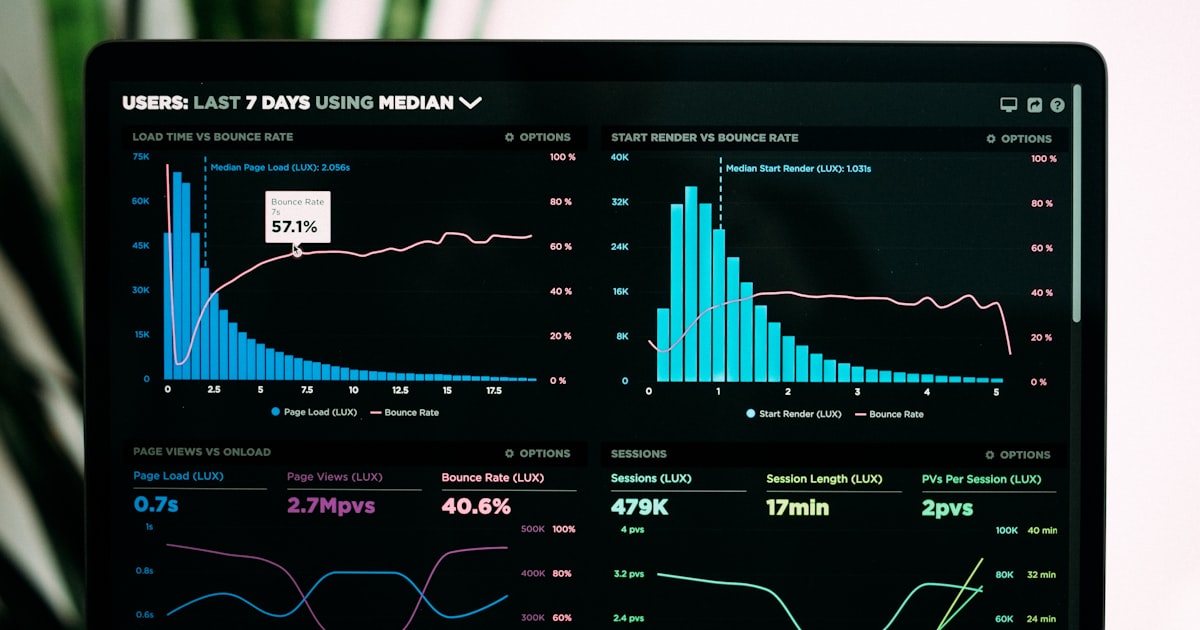
SEO wins the long-term ROI race by a wide margin. First Page Sage (2025) found that B2C service businesses see a median SEO ROI of 748%, compared to roughly 200% for paid search. But “long-term” is the critical qualifier. You won’t see those returns in month two.
Here’s what most google ads vs seo for home services comparisons miss entirely: ROI depends heavily on your average job value. An HVAC company closing $8,000 system replacements can absorb $130 per lead comfortably. A house cleaning service averaging $175 per booking needs leads under $25 for PPC to make sense. The “right” channel depends on your margins as much as the channel itself.
PPC’s advantage is predictability. You spend X this month, you get Y leads this month. For businesses with tight cash flow or seasonal demand spikes, that predictability can be worth paying a premium for. A roofer heading into storm season doesn’t have six months to wait.
How Should Home Service Businesses Split Their Budget?
The ideal split changes over time. Companies running SEO and PPC together see 25% more clicks and 27% more profit than those using either channel alone, according to Search Engine Journal (2024). The key is shifting the ratio as your organic presence matures.
Based on performance data from home service accounts we’ve managed, here’s the budget framework that consistently produces the best results over a 24-month period.
Phase 1 (Months 1-6): Allocate 65% to Google Ads, 35% to SEO. Ads keep leads flowing and revenue coming in. SEO builds your foundation. On a $4,000/month budget, that’s roughly $2,600 for ads and $1,400 for SEO.
Phase 2 (Months 7-12): Shift to 45% Google Ads, 55% SEO. Organic rankings are producing leads now. Reduce ad spend on keywords where you’ve earned organic visibility.
Phase 3 (Months 13+): Move to 25% Google Ads, 75% SEO and content. Use PPC only for high-competition seasonal terms, new service launches, or expansion into new territories. Your organic presence handles the rest.
This phased approach is especially effective for businesses like HVAC contractors, plumbers, and electricians. For more on generating consistent leads in the HVAC space specifically, check out our HVAC lead generation guide.
| Factor | Google Ads (PPC) | SEO (Organic) |
|---|---|---|
| Monthly Investment | $2,000 – $8,000+ | $1,000 – $3,000 |
| Cost Per Lead | $50 – $130 (WordStream) | $25 – $45 (after 6 months) |
| Time to First Lead | Same day | 4 – 6 months |
| Median ROI | 200% (First Page Sage) | 748% (First Page Sage) |
| Leads When You Stop Paying | Stop immediately | Continue for months or years |
| Click-Through Rate | 3 – 6% average | 27.6% for position 1 (Backlinko) |
| Best For | Immediate leads, seasonal pushes, new markets | Long-term growth, brand trust, lower CPL |
| Scalability | Linear (more spend = more leads) | Compounding (fixed cost, growing returns) |
When Should a Home Service Business Start With Google Ads?
Google Ads should be your first move when you need revenue now, not in six months. Google’s own data (2025) shows that businesses earn an average of $2 in revenue for every $1 spent on search ads. For new home service companies without any online visibility, those immediate leads can fund the SEO investment that follows.
Start with Google Ads first if any of these apply:
- You launched within the last 12 months and have no organic search presence
- You’re entering a new service area or zip code and need to test demand
- Peak season is approaching and you need to fill your crew’s schedule now
- Your average job value exceeds $500, giving you room to absorb the higher CPL
- You need to validate which services generate the most profitable calls
That last point is underrated. Google Ads is an incredible testing tool. Before you invest months of SEO effort targeting “kitchen remodel” keywords, run ads for two weeks and see if those clicks convert. If they don’t, you’ve saved yourself from a costly SEO mistake.

When Is SEO the Smarter First Investment?
SEO should be your priority when you have steady revenue and can invest without needing immediate returns. Search Engine Journal (2025) reports that 70% of marketers say SEO generates more sales than PPC over time. If your referral pipeline keeps the lights on while organic rankings build, SEO is the better first dollar.
Prioritize SEO first if:
- You already have a stable book of referral or repeat business
- You can invest $1,500+/month for six months without ROI pressure
- Your competitors dominate organic search and you’re invisible
- You serve a defined local market and aren’t expanding right now
- You want to stop renting your lead flow and start owning it
Where do you click when you search for something yourself? Most people skip the ads entirely. Backlinko’s data shows the first organic result captures a 27.6% click-through rate, while paid ads average just 3-6%. That’s a massive pool of customers you can only reach through organic visibility. For a detailed playbook on earning those organic rankings, see our SEO guide for plumbers, which applies to most home service trades.
What Mistakes Do Home Service Businesses Make With Google Ads and SEO?
The most common mistake is treating google ads vs seo for home services as a permanent either-or decision. According to HubSpot’s 2025 State of Marketing report, 61% of marketers cite growing organic presence as their top inbound priority, yet many small businesses pour their entire budget into ads and never build organic equity. When CPCs rise the following year, they have no fallback.
Here are the other costly errors we see regularly:
- No conversion tracking on Google Ads: If you’re not tracking which clicks become phone calls, you can’t optimize. You might think you’re paying $40/lead when it’s really $110.
- Expecting SEO results in 30 days: Anyone promising first-page rankings in a month is either targeting keywords nobody searches or misleading you. Real results take real time.
- Ignoring Google Business Profile: It’s free. It’s the backbone of local SEO. And it directly determines your Map Pack visibility. There’s no good reason to neglect it.
- Running ads without landing pages: Sending ad traffic to your homepage wastes money. Dedicated service pages with clear calls to action convert 2-3x better than generic homepages.
- Pausing SEO when leads slow down: SEO is a long game. Stopping and restarting costs you months of momentum each time. Consistency is the entire point.
One pattern we’ve noticed specifically in home services: businesses that run Google Ads for six months without SEO end up in a dependency trap. Their entire lead flow comes from ads, so they can’t afford to reduce spend even when CPCs climb. Businesses that start SEO in month one or two, even at a smaller budget, give themselves an exit ramp from that dependency within a year.
Frequently Asked Questions
Is Google Ads or SEO better for a new home service business?
Google Ads is better for your first 3-6 months when you need leads immediately. It generates calls on day one while your SEO builds. WordStream (2025) reports the average home service cost per lead is $66 through ads. Start with PPC, then shift budget toward SEO as organic rankings develop.
How much should a home service company spend on Google Ads per month?
Most local home service businesses spend $2,000 to $5,000 monthly on Google Ads. At an average CPC of $6.55 (WordStream, 2025), that budget produces 300-750 clicks. You need enough volume to fill your schedule and enough data to optimize. Spending less than $1,500/month often doesn’t generate meaningful results.
How long does SEO take to work for home service businesses?
Plan on 4-6 months for meaningful organic traffic in moderately competitive markets. Ahrefs’ research shows only 5.7% of new pages reach the top 10 within a year. In smaller towns with less competition, you may see results in 3-4 months. In large metros, expect 6-12 months of steady effort.
Can I run Google Ads and do SEO at the same time?
Yes, and it’s actually the most effective approach. Search Engine Journal (2024) found that businesses running both channels see 25% more clicks and 27% more profit. Use Google Ads for immediate revenue, then gradually shift spend toward SEO as your organic rankings mature.
Should I stop Google Ads once my SEO rankings are strong?
Don’t stop entirely. Keep running ads on high-value, high-competition keywords and during seasonal peaks. Scale back significantly, though. Many home service businesses reduce PPC spend by 50-70% once organic rankings are strong, redirecting that budget toward content marketing and SEO maintenance.
Where Should Your First Dollar Go?
The google ads vs seo for home services debate has a practical answer: start with the channel that matches your cash flow reality. If you need leads this week, that’s Google Ads. If you can invest patiently, that’s SEO. If your budget allows both, start ads immediately and begin SEO work by month two.
The data supports a blended approach. SEO delivers 748% median ROI (First Page Sage, 2025), but PPC gets you to revenue on day one. The home service businesses that grow fastest treat this as a phased strategy. They use ads for immediate fuel, then build organic presence into an asset they own. Stop thinking of it as a choice. Think of it as a sequence.
Not Sure Where to Invest First?
We’ll analyze your market, competition, and budget to tell you exactly which channel deserves your first dollar.