
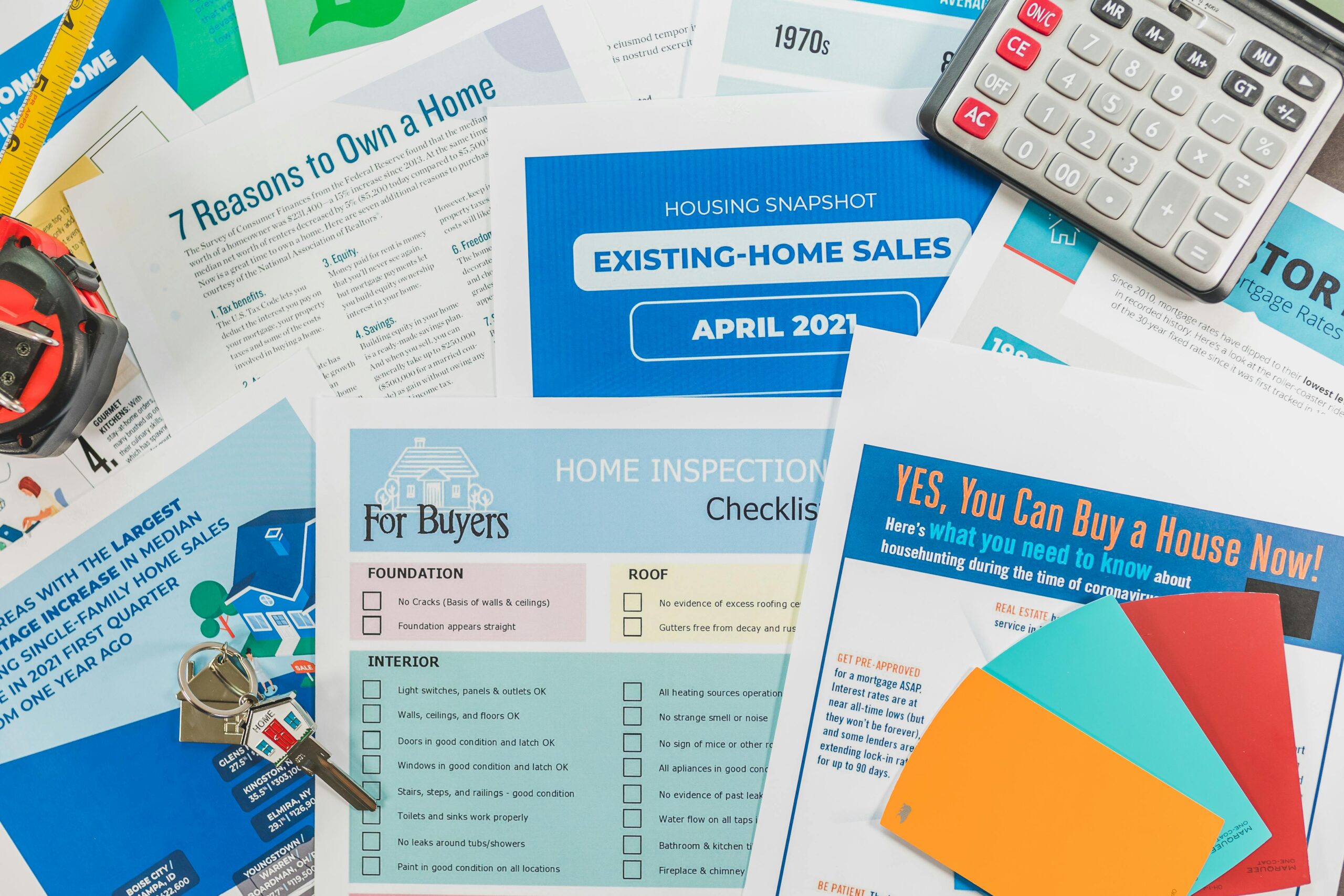
A real estate course funnel is a structured marketing system designed to attract potential students, build trust, and convert them into buyers of your course. It typically moves prospects from awareness to enrollment using targeted content, lead capture pages, email nurturing, and persuasive offers, all working together to generate consistent and scalable revenue.
What Is a Real Estate Course Funnel
A real estate course funnel is a step-by-step journey that guides potential clients from discovering your brand to purchasing your course. It is not just a single page or advertisement but a connected system that includes content, landing pages, email sequences, and conversion-focused offers.
In the real estate education space, where trust and credibility are essential, a funnel helps you build relationships before asking for a sale. Instead of pushing a course immediately, you first provide value, address pain points, and position yourself as an authority. This approach makes your offer feel like a natural next step rather than a forced decision.
A well-built funnel creates a predictable flow of leads and customers. It replaces guesswork with a clear structure that can be optimized over time. When done correctly, it allows you to scale your course sales without constantly chasing new clients manually.

How Real Estate Course Funnels Work
A real estate course funnel works by moving potential students through different stages of awareness and trust. At the beginning, people may not even realize they need your course. As they move forward, they begin to understand their problem, explore solutions, and eventually decide to invest.
The first stage focuses on attracting attention. This can come from search traffic, social media, or paid advertising. The goal here is to connect with people who are interested in real estate, investing, or building a career in the industry.
Once attention is captured, the funnel shifts toward lead generation. This usually involves offering something valuable for free, such as a guide, training, or webinar. In exchange, the visitor provides their contact information, allowing you to continue the conversation.
The next phase is nurturing. This is where many funnels either succeed or fail. Instead of rushing into a sale, you build trust through educational content, real insights, and relatable experiences. You show your audience that you understand their challenges and can guide them toward results.
Finally, the funnel leads to conversion. This is where your course is presented as the logical solution. By this point, the audience should already see the value in what you offer, making the decision easier and more natural.
Why Real Estate Course Funnels Matter
The real estate industry is highly competitive, and attention is limited. Without a funnel, most potential clients will visit your website once and never return. A funnel ensures that you capture interest and turn it into long-term engagement.
One of the biggest advantages of a funnel is consistency. Instead of relying on random sales, you create a system that works continuously. This allows you to forecast revenue, improve performance, and scale your efforts with confidence.
Another key benefit is trust-building. Real estate education often involves significant financial decisions. People need to feel confident before they invest in a course. A funnel gives you the time and space to build that confidence through valuable content and clear communication.
Funnels also improve efficiency. Rather than explaining your offer repeatedly to individual prospects, your funnel does the work for you. It delivers the right message at the right time, allowing you to focus on improving your course and growing your business.
What Makes a Real Estate Course Funnel Effective
An effective real estate course funnel is built on clarity, relevance, and trust. It starts with a clear understanding of your target audience. You need to know their goals, struggles, and motivations so you can speak directly to them.
Relevance plays a major role in performance. Your content and messaging must match what your audience is searching for. When someone feels understood, they are more likely to engage and move forward in the funnel.
Trust is the foundation of conversion. This is built through consistent value, transparency, and proof of results. Sharing real experiences, practical insights, and honest expectations helps create a connection that goes beyond marketing.
Another important factor is simplicity. A complicated funnel can confuse potential clients and reduce conversions. A clear and straightforward journey keeps people focused and increases the chances of success.
Key Components of a High-Converting Funnel
A high-converting real estate course funnel includes several essential elements working together seamlessly. Each part has a specific role in guiding the user toward a decision.
The entry point is where people first discover your funnel. This could be a blog post, video, or advertisement that addresses a specific problem or goal. It should immediately capture attention and provide value.
The landing page is where visitors are encouraged to take action, usually by signing up for a free resource. This page must be clear, focused, and persuasive without being overwhelming.
The email sequence is where the relationship is developed. Through a series of messages, you educate, inspire, and guide your audience. This is where trust is built and objections are addressed.
The offer page is where your course is presented in detail. It should clearly explain what the course includes, who it is for, and what results can be expected. The goal is to remove doubt and make the decision feel obvious.
Common Mistakes in Real Estate Course Funnels
One common mistake is focusing too much on selling and not enough on value. When a funnel pushes for a sale too early, it can create resistance and reduce trust. People need time to understand and believe in your offer.
Another mistake is having unclear messaging. If your audience does not immediately understand what you offer and how it helps them, they will leave. Clarity is essential at every stage of the funnel.
Poor follow-up is also a major issue. Many leads are lost simply because there is no consistent communication. A strong follow-up strategy keeps your audience engaged and increases the chances of conversion.
Overcomplicating the funnel can also hurt performance. Adding too many steps or options can confuse users and lead to drop-offs. A simple and focused approach is often more effective.
Common Myths and the Real Facts
There is a belief that building a funnel guarantees instant results. In reality, funnels require testing, refinement, and time to perform at their best. Success comes from continuous improvement, not quick wins.
Another myth is that only large budgets can create successful funnels. While investment can help, a well-structured funnel with clear messaging can perform well even with limited resources.
Some people think that once a funnel is built, it no longer needs attention. The truth is that markets change, audience behavior evolves, and optimization is always necessary. A funnel should be treated as a living system that grows over time.
There is also a misconception that more traffic automatically leads to more sales. Without proper structure and messaging, increased traffic may not result in better outcomes. Quality and relevance matter more than volume.
Practical Strategies to Improve Your Funnel
Improving a real estate course funnel starts with understanding your audience deeply. Listen to their questions, analyze their behavior, and adjust your messaging accordingly. This creates a stronger connection and better results.
Testing is essential for growth. Small changes in headlines, offers, or content can have a significant impact. By experimenting and analyzing results, you can identify what works best for your audience.
Consistency is another key factor. Regular content, clear communication, and a steady flow of value keep your audience engaged. This builds momentum and strengthens your funnel over time.
Focusing on user experience also makes a difference. A smooth and easy journey encourages people to move forward without friction. This includes fast-loading pages, clear navigation, and simple steps.
Summary of Key Insights
Real estate course funnels are not just marketing tools but complete systems designed to guide potential clients through a structured journey. They combine attraction, engagement, and conversion into a single process that can be optimized and scaled.
The most effective funnels focus on building trust and delivering value before asking for a sale. They rely on clear messaging, relevant content, and a deep understanding of the audience.
Success with funnels comes from consistency, testing, and continuous improvement. It is not about creating something perfect from the start but about refining and adapting over time.
Key Takeaways
A real estate course funnel works best when it prioritizes the needs of the audience and provides genuine value at every stage. This approach builds trust and creates a strong foundation for long-term success.
Clarity and simplicity are essential elements. When your message is easy to understand and your process is straightforward, people are more likely to engage and take action.
Consistency in communication and content helps maintain interest and strengthens relationships. Over time, this leads to better conversions and a more reliable system.
Optimization is an ongoing process. By testing and improving different parts of your funnel, you can increase performance and achieve better results.
Frequently Asked Questions
What is the main goal of a real estate course funnel
The main goal is to guide potential students from initial interest to enrollment by building trust, providing value, and presenting a clear solution to their needs. It creates a structured path that improves conversion rates and generates consistent sales.
How long does it take for a funnel to work
The timeline can vary depending on the strategy, traffic, and optimization efforts. Some funnels show results quickly, while others take time to refine. Consistent testing and improvement are key to long-term success.
Do I need a large audience to succeed with a funnel
A large audience is not required. What matters more is attracting the right audience and delivering relevant value. A smaller, targeted audience can often produce better results than a large, unfocused one.
Can beginners create effective real estate course funnels
Yes, beginners can create effective funnels by focusing on clear messaging, understanding their audience, and providing real value. Starting simple and improving over time is often the best approach.
What type of content works best in a funnel
Content that educates, solves problems, and builds trust works best. This includes insights, practical strategies, and relatable experiences that connect with the audience’s goals and challenges.
How can I improve conversion rates in my funnel
Improving conversion rates involves refining your messaging, simplifying the user journey, and addressing objections clearly. Testing different elements and analyzing results helps identify what works best.
Conclusion
A real estate course funnel is one of the most powerful tools for building a scalable and sustainable online education business. It transforms scattered efforts into a structured system that attracts, nurtures, and converts with purpose.
When built with clarity, trust, and a deep understanding of your audience, a funnel becomes more than just a marketing strategy. It becomes a reliable engine for growth. By focusing on value, staying consistent, and continuously improving, you can create a funnel that not only drives sales but also builds lasting relationships.
If you are serious about growing your real estate course, now is the time to take action and start building a funnel that truly works.